Drizzle-Proof Your Stride: The Honest Guide to Wearing UGGs in a British Winter
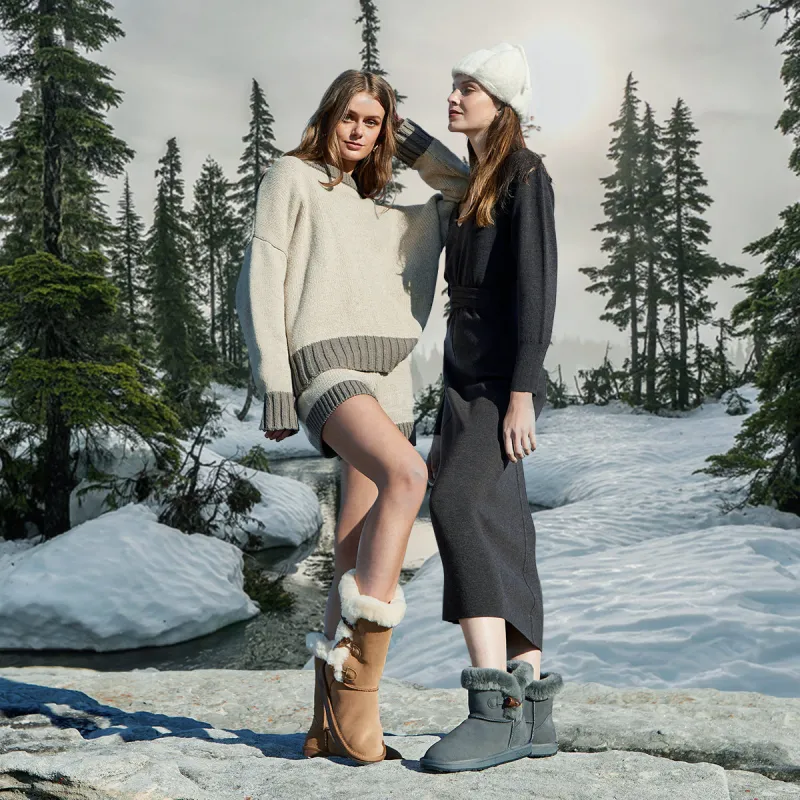
Photo: woman wearing ugg boots walking in winter rain UK street style, via uggoriginals.com.au
Let's address the elephant in the (very cosy) room. Every autumn, the same debate kicks off on British group chats: are UGGs actually wearable in our weather? We're talking horizontal rain in Manchester, sleet in Glasgow, that grim grey drizzle that seems to have a personal vendetta against footwear everywhere between Land's End and Leeds.
The honest answer? Yes — but not all UGGs are created equal, and a bit of prep goes a long way. Consider this your no-nonsense, kettle-on, let's-sort-this-out guide.
First Things First: Which UGGs Can Handle the Wet?
Classic sheepskin boots are glorious, but they're essentially a soft suede hug for your feet — lovely on a frosty, dry morning, less so in a downpour. If rain is a regular guest at your door, point your toes at the weather-ready ranges instead:
- UGG Classic Clear / Waterproof styles — seam-sealed and treated to shrug off showers
- The Adirondack boot — a proper lace-up, leather-lined beast built for genuine winter weather. Think of it as the 4x4 of the UGG range
- UGG Ultra Mini and Classic Short in waterproof finishes — all the familiar cosiness with a defensive streak
Sheepskin itself is naturally temperature-regulating, so even the standard classics earn their keep on cold, dry days. It's the standing-in-a-puddle scenario you want to avoid.
The Spray Is Not Optional
If you take one piece of advice from this article, make it this: invest in a good suede and water-repellent protector spray, and use it before the first wear, not after the first storm. Two or three light coats, dried properly between applications, will create a barrier against light rain, splashes and that inevitable coffee spill on the school run.
Reapply every few weeks through winter — British weather is persistent, and your protection should be too. If your boots do get soaked, resist the hairdryer urge. Stuff them with newspaper, let them air-dry away from the radiator, and brush the suede back up once dry.
Outfit Formula One: The School Run Special
Practicality meets the 8:40am panic. The trick is building an outfit that works whether you're sprinting to the gates or loitering with a thermos.
The formula: waterproof Classic Shorts or Ultra Minis + cuffed straight-leg jeans + a padded gilet + a chunky scarf you can abandon in the car.
Cuffing your jeans is the move here — it keeps hems out of puddles and shows off the boots, which frankly deserve an audience. A longline waterproof parka over the top handles the drizzle-to-horizontal-sleet spectrum.
Outfit Formula Two: The Cosy Weekend
Saturdays are for slower starts and colder coffees. This is where UGGs genuinely shine — the frosty-but-dry days when you want warmth without looking like you've given up.
The formula: Classic Ultra Mini + fleece-lined leggings or soft joggers + an oversized knit + a puffer coat.
Add a beanie and you've got the full 'walk to the garden centre, return with only a scented candle' look. It's comfortable, it's intentional, and it photographs beautifully against a frosty park backdrop.
Outfit Formula Three: The Frost-to-Pub Transition
The classic British winter evening: cold enough to see your breath, dry enough to risk it. Swap the jeans for a midi skirt in a heavier fabric — corduroy or brushed cotton — with thick socks and Classic Shorts.
A fitted roll-neck and a wool coat keep the silhouette sharp, and the sheepskin does the rest. Proximity to an open fire at the destination is, of course, recommended but not required.
A Word on Salt, Slush and General Winter Grime
Beyond rain, winter throws other hazards. Road grit, salt stains and slush can mark suede badly. A dedicated suede cleaner and a stiff brush should live in your hallway drawer from November onwards. Ten minutes of maintenance a month will add years to your boots — and they only look better with a bit of lived-in character.
The Verdict
So, can you wear UGGs through a British winter? With waterproof styles, a decent spray, and a healthy respect for deep puddles — absolutely. Treat them as part of your cold-weather uniform rather than fair-weather footwear, and they'll see you from the first frost right through to spring. And if all else fails? That's what the Adirondacks are for.